


Introduction
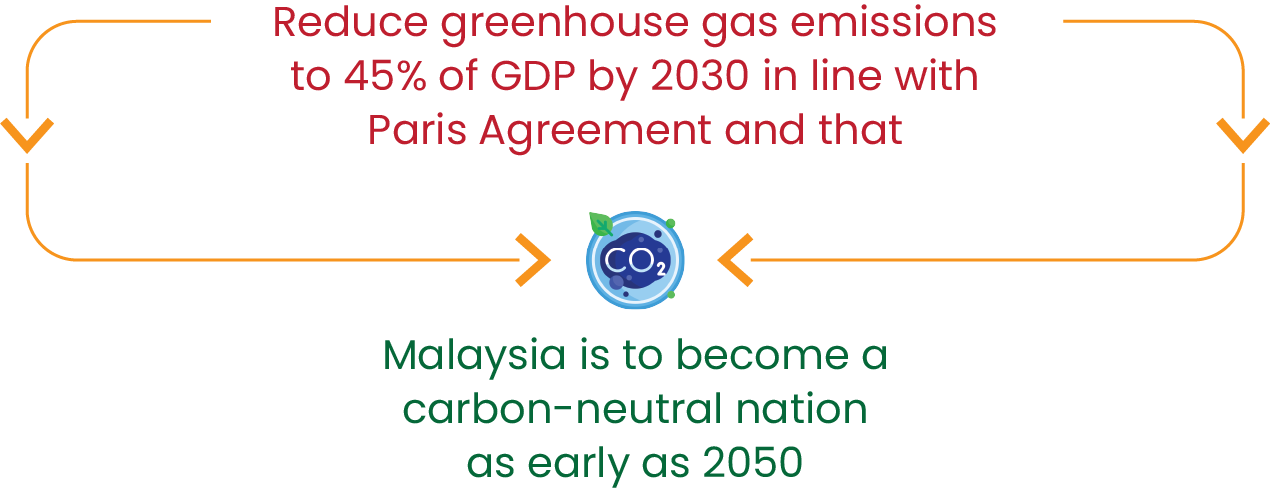
Extreme weather and global warming are causing severe floods, globally. Most recently, in Malaysia, three days of heavy downpour caused severe flooding in eight states. As of Monday (20 December 2021), more than 50,000 people were evacuated from their homes. This is the worst flood in the country in terms of displaced residents. The Paris Agreement (signed on 12 December 2015) is the global response to the threat of climate change. Most importantly, it charts an important milestone in addressing this important issue. It calls on all member countries to keep a global temperature rise below two (2) degrees Celsius above pre-industrial levels in this century. Given that Malaysia is a signatory to this, the Prime Minister, in his 12th Malaysia Plan, has indicated, in no uncertain terms that Malaysia will:
Islam and the environment
It is interesting to note that Islam has laid out a proper framework in the Quran as well as the hadith as regards one’s responsibility towards the environment. In fact, the Quran has approximately 200 verses concerning the environment. To a Muslim, protecting Allah’s precious creation, the earth, is paramount. Islam teaches us to take care of our planet. Given that we are the “khalifahs” of Allah on the planet, we are to be accountable to Allah for our actions on His creations. Thus, the concept of stewardship in Islam is most important in the conduct of a Muslim.
Specific to the environment and climate change, the following verses from the Quran are pertinent:
- Do not cause corruption on the earth after it has been set right (7:85)
- Do not corrupt the land (11:85)